 Presscode News



 Presscode News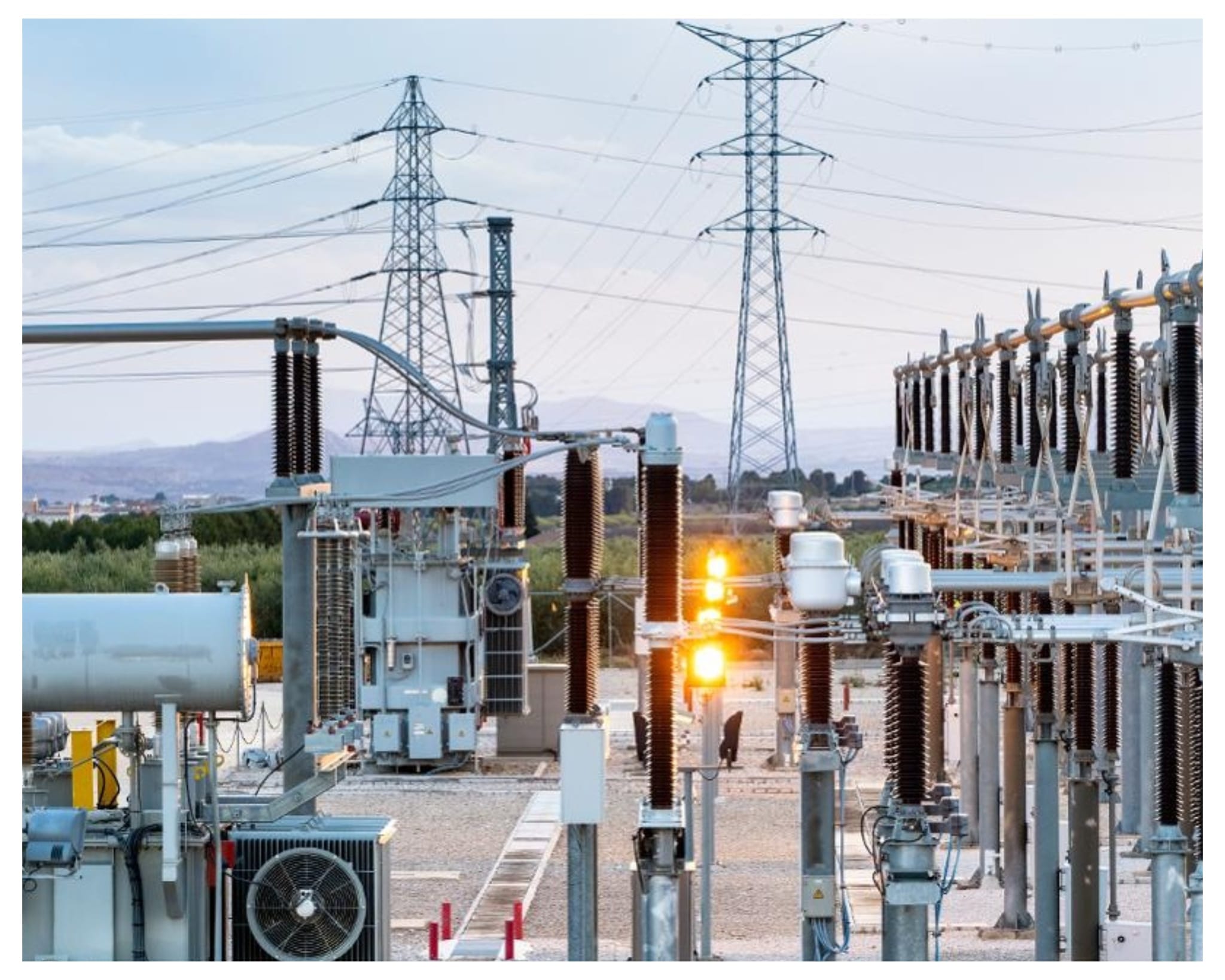
NIGERIA’S ELECTRICITY REFORM: A SHARED BURDEN FOR A BRIGHTER FUTURE
By PRESSCODE NEWS
ABUJA, NIGERIA. 6TH FEBRUARY 2026
The Nigerian federal government is embarking on a transformative approach to electricity subsidies, proposing to distribute the financial load across all levels of government. This innovative strategy, while ambitious, has sparked varied reactions within the power sector, highlighting the delicate balance between fiscal responsibility and operational sustainability.
Joy Ogaji, Managing Director and CEO of the Association of Power Generation Companies (APGENCO), has voiced strong concerns, asserting that proclaimed subsidies often lack genuine budgetary support or verifiable records. She emphasised that generation companies have shouldered revenue shortfalls for more than a decade, operating on a mere 35 per cent of their monthly invoices—a situation she deems untenable. With the government allocating N1.09 trillion to the sector this year, monthly deficits of around N200 billion persist, and unpaid debts to GenCos have escalated to approximately N6.4 trillion by December 2025. Only a N501 billion bond has been issued to address legacy obligations.
The Nigerian Electricity Regulatory Commission (NERC) corroborates this, noting no formal subsidy inclusion in tariff structures. Ogaji warns that extending this unfunded model to states and local governments could exacerbate the industry’s liquidity challenges.
In response, the government plans to deduct subsidy payments directly from Federation Account Allocation Committee (FAAC) distributions starting in 2026, potentially withdrawing up to N3.6 trillion from 2026 to 2028. Tanimu Yakubu, Director-General of the Budget Office, shared this during a budget preparation workshop, aligning with President Bola Tinubu’s directive to eliminate hidden liabilities and promote transparency. Notably, the 2026 budget proposal before the National Assembly omits provisions for monthly subsidies, despite ongoing shortfalls.
Electricity distribution companies (DisCos), however, endorse the initiative. Sunday Oduntan, CEO of the Association of Nigerian Electricity Distributors, describes it as practical, suggesting deductions from states’ FAAC shares could make it viable, though he advocates protecting vulnerable consumers through targeted aid.
The government has also launched a N501 billion bond under the Presidential Power Sector Debt Reduction Programme to alleviate chronic debts and enhance service for over 12 million customers.
As Nigeria navigates this pivotal shift, the electricity sector stands on the cusp of renewal, promising greater accountability and efficiency.
PRESSCODE NEWS INSIGHT
This reform underscores a critical juncture for Nigeria’s energy landscape, where collaborative funding could foster long-term stability, yet risks alienating key stakeholders if implementation falters. Balancing equity with empathy for consumers will be key to averting deeper crises and illuminating a path forward.
PRESSCODE NEWS
The More You Know Presscodenews.com Presscodenews@gmail.com